 111
111 2
2 3
3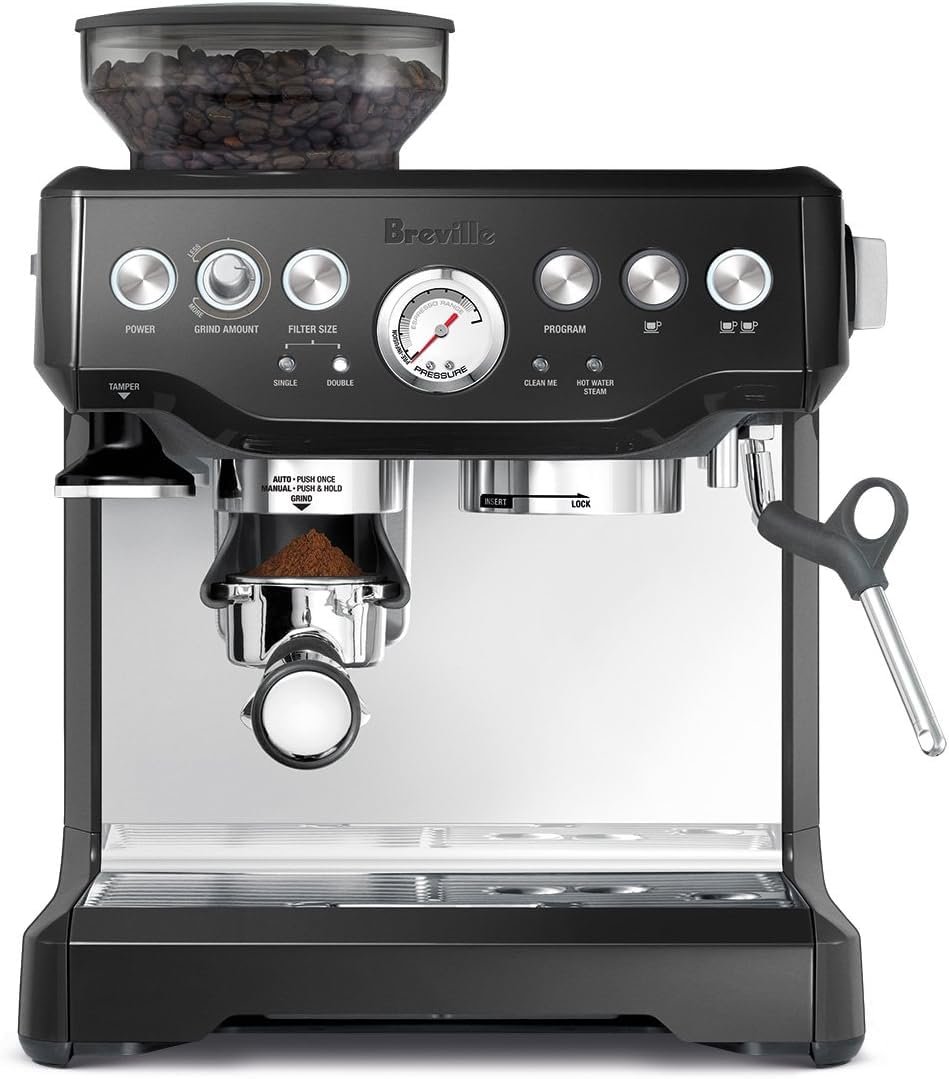
Creating café-quality espresso at home has become increasingly popular among coffee enthusiasts. Modern espresso machines combine precision engineering, intuitive controls, and integrated grinding systems that make professional-style coffee preparation accessible to more people. One example of this category is the Breville Barista Express Espresso Machine BES870BSXL in the Black Sesame finish, a machine designed to bring the essential steps of espresso preparation into a single, compact appliance.
This article explores the design, features, technology, and functionality of the Barista Express espresso machine to help readers understand how integrated espresso machines work and what elements contribute to quality espresso preparation at home.
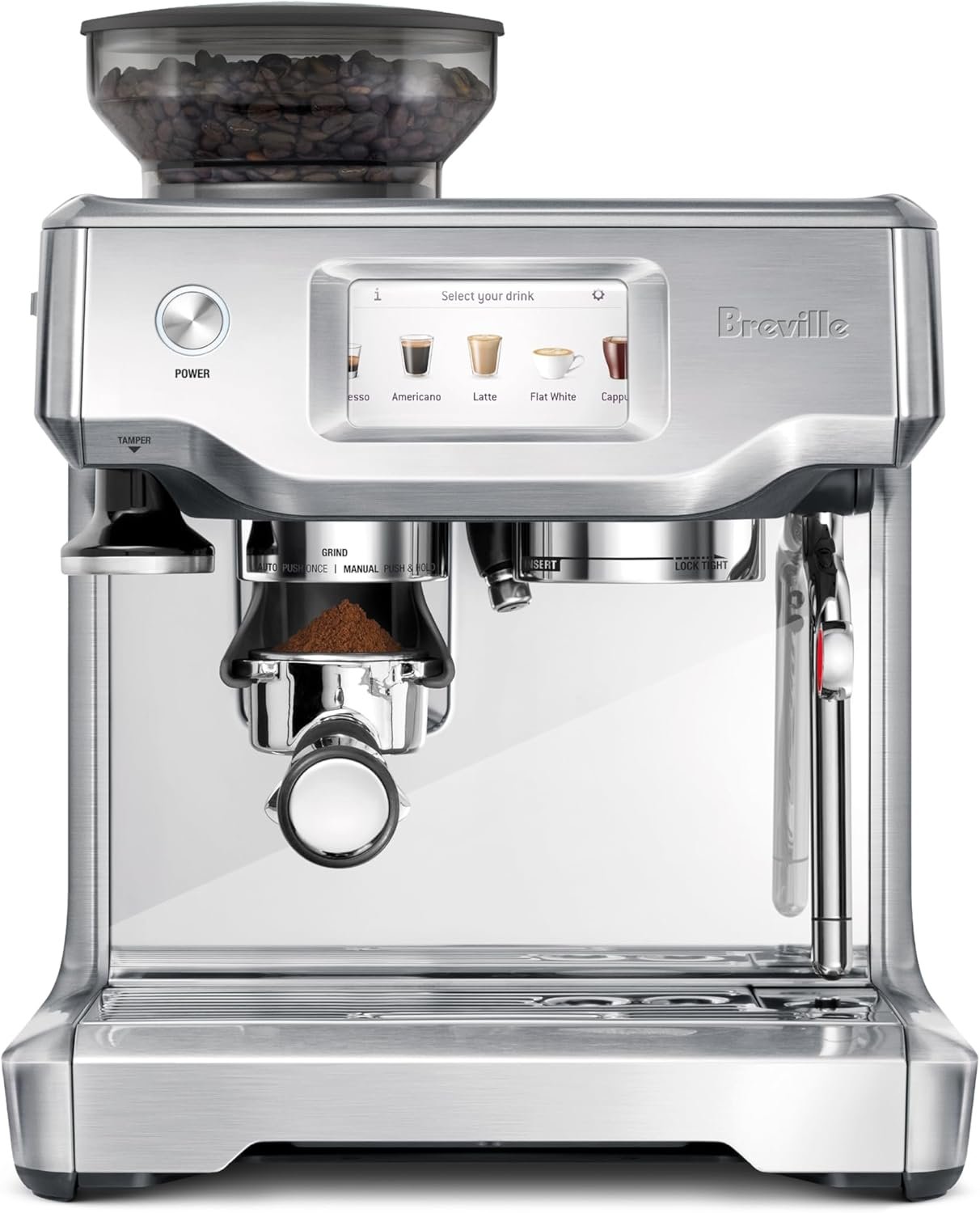
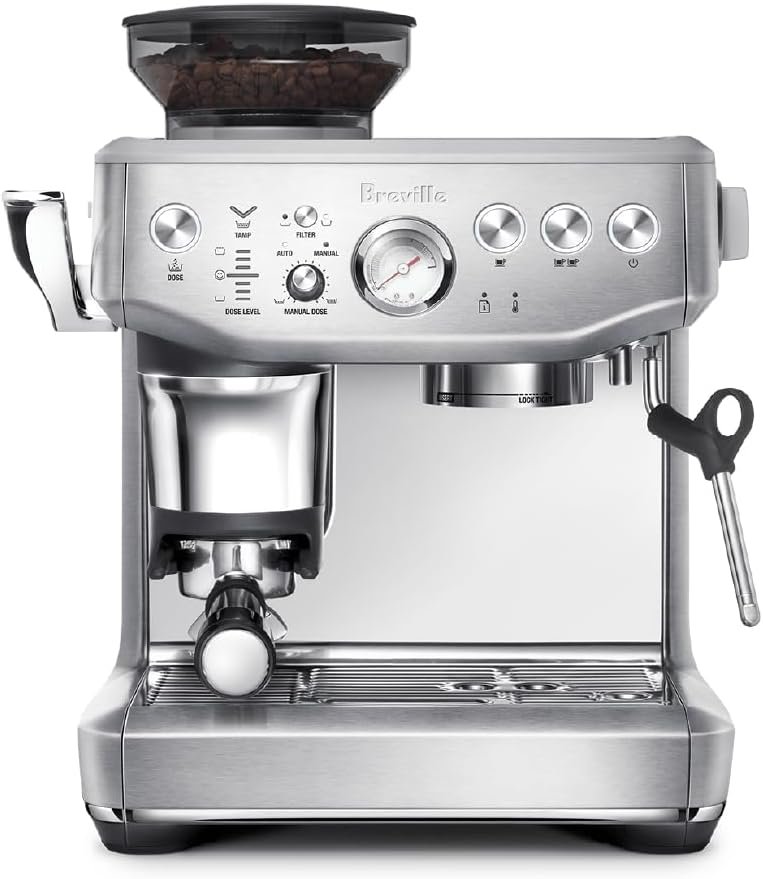
The Barista Express is an all-in-one espresso machine that combines a conical burr grinder, espresso extraction system, and milk frothing capability within a single unit. Instead of requiring a separate grinder and machine, the integrated design allows users to grind fresh coffee beans and brew espresso in the same workflow.
The Black Sesame version offers a sleek, modern appearance that fits well in contemporary kitchens while maintaining the robust stainless-steel construction typical of Breville espresso machines.
The machine is designed around the idea that fresh grinding and precise extraction are key to producing flavorful espresso. By controlling grind size, dose, temperature, and pressure, users can influence the final flavor profile of their coffee.
The Breville Barista Express features a brushed stainless steel construction combined with durable components designed for frequent use. The Black Sesame color variant gives the machine a slightly darker, modern aesthetic compared with traditional stainless steel models.
Key design aspects include:
The layout is engineered so that each step of the espresso-making process flows naturally: grinding, dosing, tamping, extracting, and steaming.
This workflow reflects the approach used in many professional cafés but condensed into a home-friendly format.
One of the defining features of the Breville Barista Express Espresso Machine BES870BSXL is its built-in conical burr grinder.
Coffee flavor depends heavily on grind consistency. Burr grinders crush coffee beans between two rotating surfaces, producing uniform particle sizes that support balanced extraction.
In contrast, blade grinders tend to create uneven particles that can lead to inconsistent flavors.
The Barista Express allows users to adjust grind size depending on the coffee beans and desired extraction.
Typical settings range from:
This flexibility helps users adapt to different beans, roast levels, and personal preferences.
Another notable aspect of the machine is dose control grinding, which allows users to determine how much coffee is ground into the portafilter.
Grinding directly before brewing helps preserve:
Coffee begins losing aromatic compounds shortly after grinding, so grinding immediately before extraction can significantly improve the final cup.
The machine’s design encourages this “grind-to-brew” workflow, which is standard practice in specialty coffee environments.
The espresso brewing system in the Barista Express is designed to maintain stable temperature and optimal pressure, both critical elements of espresso preparation.
The machine uses a low-pressure pre-infusion phase before full extraction begins.
This stage gently saturates the coffee puck, allowing it to expand evenly and reducing channeling. Even saturation can improve flavor balance and crema formation.
Proper pressure is essential for espresso extraction. Traditional espresso machines operate around 9 bars of pressure, allowing water to pass through finely ground coffee at the correct speed.
The Barista Express includes pressure monitoring that helps guide users toward ideal extraction conditions.
The machine uses a Thermocoil heating system, designed to heat water rapidly while maintaining stable brewing temperature.
Temperature stability is essential for espresso because small variations can influence flavor extraction. Water that is too hot may extract bitter compounds, while water that is too cool may lead to weak or sour results.
The Thermocoil system helps regulate this balance by controlling temperature during the brewing process.
For milk-based drinks, the machine includes a manual steam wand designed to produce microfoam milk.
Microfoam is finely textured milk with small bubbles that create a smooth, velvety consistency. This texture is essential for drinks such as:
The manual wand allows users to control the milk frothing process, adjusting the amount of air incorporated into the milk.
This feature also supports the creation of latte art, which relies on properly textured milk.
The Barista Express includes a 54-mm stainless steel portafilter, similar to those used in commercial espresso machines.
The machine typically supports multiple filter baskets, allowing users to brew:
Some setups also include both pressurized and non-pressurized baskets, which serve different skill levels:
This flexibility makes the machine adaptable for users learning espresso preparation as well as those with more experience.
The front control panel provides direct access to key espresso variables.
Controls generally include:
The pressure gauge gives visual feedback during extraction, helping users understand whether their grind size and tamping pressure are balanced.
This type of feedback can assist users in learning how to adjust grind settings and dose amounts.
The machine includes a removable water tank that simplifies refilling and cleaning.
Other maintenance-focused elements include:
Routine maintenance is important for espresso machines because mineral buildup and coffee oils can affect performance over time.
Cleaning cycles and replaceable filters help maintain machine efficiency and flavor clarity.
The Black Sesame finish offers a subtle aesthetic variation compared with standard stainless steel versions.
Characteristics of this finish include:
While cosmetic differences do not influence performance, design choices can play a role in how appliances integrate into kitchen spaces.
Machines like the Breville Barista Express Espresso Machine BES870BSXL are designed to replicate the essential steps of professional espresso preparation.
The general workflow includes:
Each step influences the final taste and texture of the beverage.
Learning to adjust grind size, dose, and extraction time allows users to explore different flavor profiles from the same coffee beans.
The machine works with a wide variety of coffee beans, including:
Different beans may require adjustments to grind size and extraction time to achieve balanced flavor.
Freshly roasted beans are often recommended for espresso machines because they retain more aromatic compounds and natural oils.
Integrated espresso machines are designed to serve as central coffee stations in the kitchen.
Typical countertop requirements include:
Despite integrating multiple functions, the Barista Express maintains a relatively compact design compared with separate grinder-machine setups.
Modern espresso machines incorporate energy-efficient systems to reduce power consumption.
Features may include:
These design elements allow machines to heat quickly while minimizing unnecessary energy use when idle.
Proper maintenance helps preserve machine performance and coffee flavor.
Typical care practices include:
Maintaining cleanliness also prevents buildup that could affect brewing pressure and temperature stability.
Integrated machines like the Barista Express represent a growing category of home barista equipment.
They are designed to balance:
Instead of purchasing separate grinders, tampers, and brewing machines, users can access these functions within one device.
This integrated design has helped expand home espresso preparation among coffee enthusiasts.
The Breville Barista Express Espresso Machine BES870BSXL in Black Sesame illustrates how modern espresso machines combine grinding, brewing, and milk texturing in a single appliance.
Its integrated burr grinder, adjustable grind settings, controlled extraction system, and manual steam wand create a comprehensive espresso workflow within a compact design. Combined with temperature regulation technology and intuitive controls, the machine demonstrates how home coffee equipment has evolved to support more precise and customizable brewing experiences.
Understanding the components and functionality of espresso machines like this one can help readers better appreciate the technical elements behind espresso preparation, from fresh grinding to balanced extraction and milk texturing.
For coffee enthusiasts interested in exploring espresso preparation at home, learning about these systems offers insight into how modern machines replicate many of the processes used in professional coffee environments.