 111
111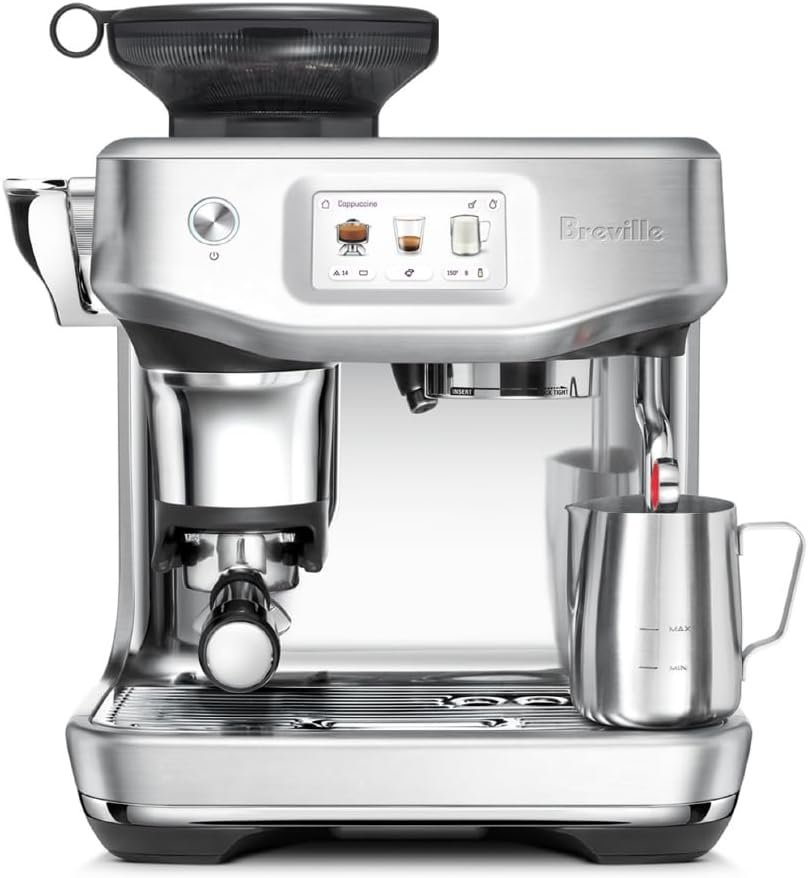 2
2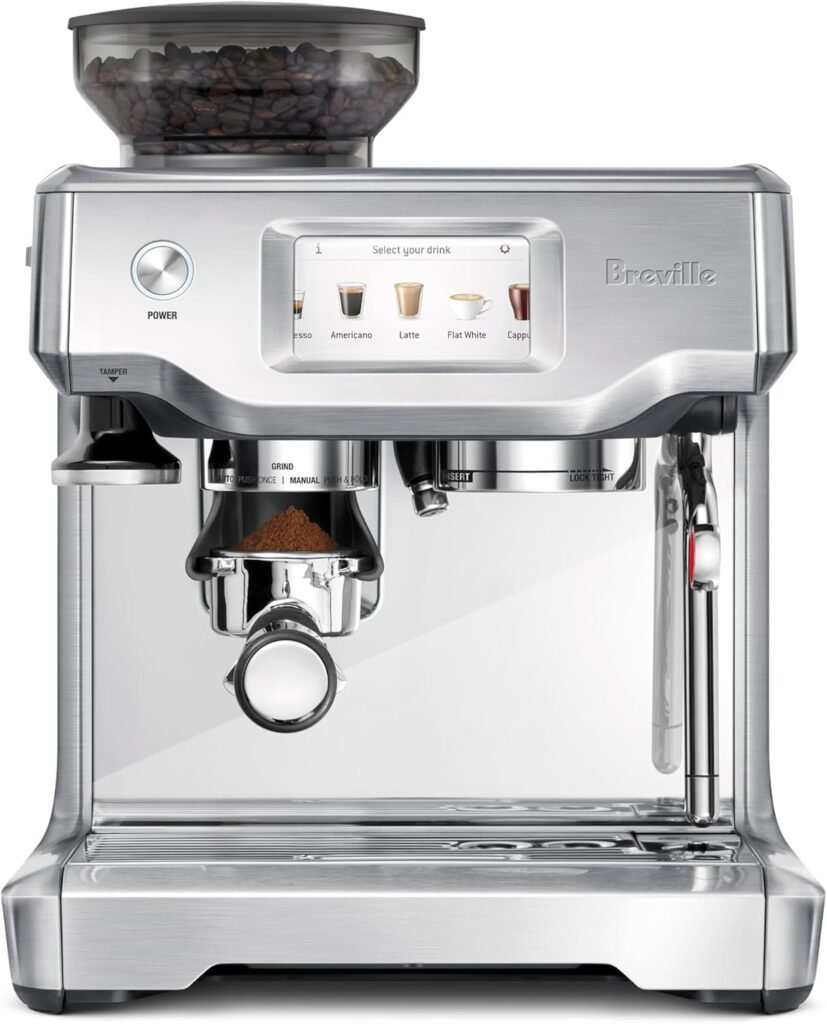 3
3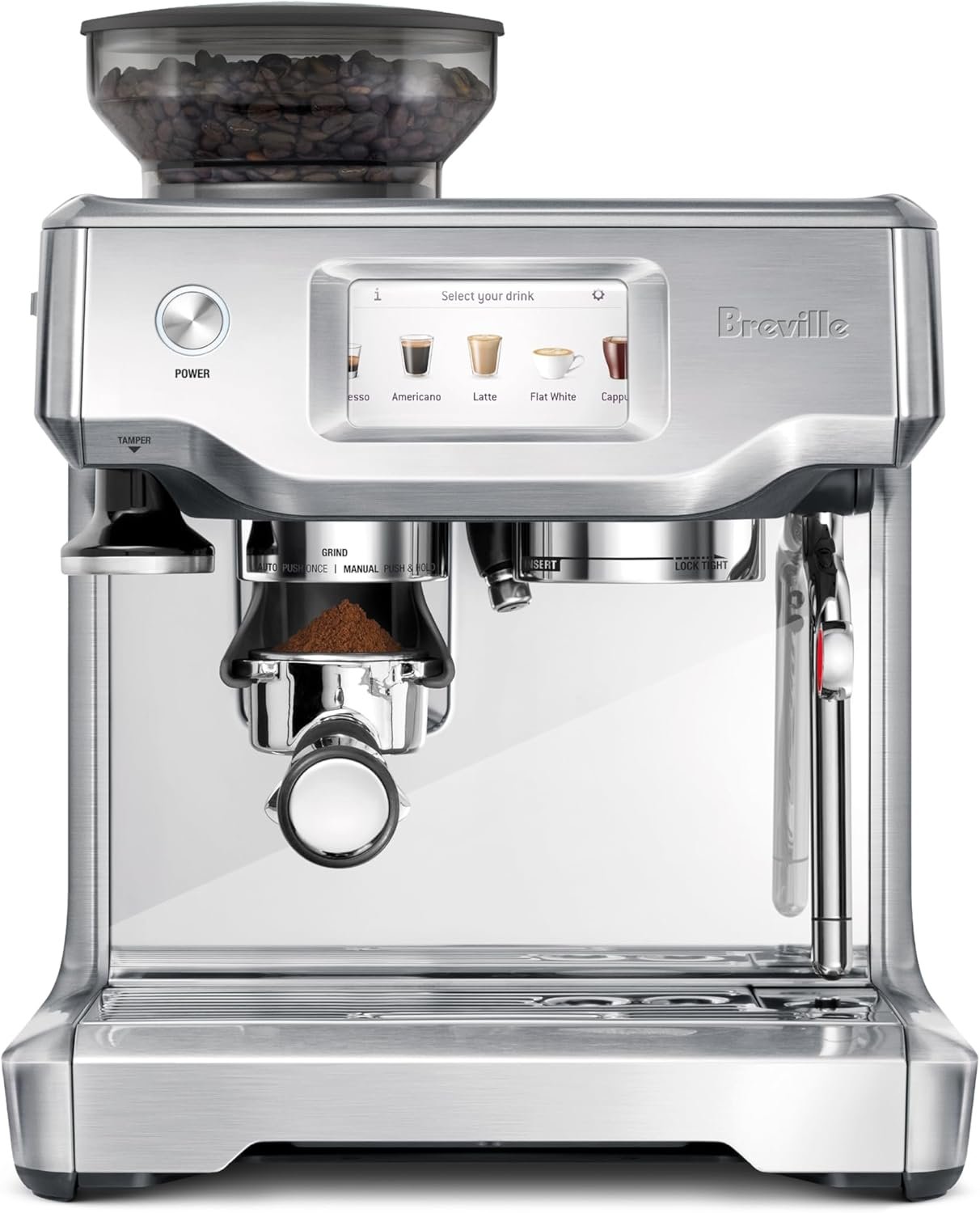
Home espresso preparation has evolved dramatically over the past decade. What once required professional barista training and complex equipment is now increasingly accessible through advanced home espresso machines. Among these modern appliances, the Breville Barista Touch Espresso Machine BES880BSS in Brushed Stainless Steel represents a category of machines designed to combine automation, precision, and customization in a single system.
This article provides an in-depth overview of the design, technology, and functionality of this espresso machine, helping readers understand how it works, what features it includes, and how it fits into the broader landscape of home coffee brewing equipment.
Traditional espresso machines typically fall into three broad categories:
Machines like the Breville Barista Touch sit between semi-automatic and super-automatic systems, offering automation for convenience while still allowing control over brewing variables.
The goal of such machines is to make espresso preparation faster and easier while maintaining the core elements of café-style coffee: proper grind size, correct water temperature, stable pressure, and properly textured milk.
The machine features a brushed stainless steel exterior, which serves several practical purposes:
The compact footprint is another design consideration. Many espresso machines can be bulky, but the Barista Touch is designed to fit comfortably on a standard kitchen countertop.
One of the most recognizable aspects of this machine is its color touchscreen interface. Rather than relying solely on physical buttons and dials, the display allows users to navigate menus and adjust settings directly.
The interface typically provides access to:
This type of interface simplifies the learning curve for individuals who may be new to espresso preparation.
Freshly ground coffee is widely considered essential for high-quality espresso. Coffee beans begin losing aromatic compounds shortly after grinding, which can affect flavor.
The Breville Barista Touch incorporates an integrated conical burr grinder, allowing beans to be ground immediately before brewing.
Burr grinders are commonly used in espresso preparation because they:
Blade grinders, by contrast, chop beans unevenly and are generally less suitable for espresso.
The grinder includes multiple grind size settings. Adjusting grind size influences:
A finer grind slows the flow of water, increasing extraction, while a coarser grind allows water to pass through more quickly.
One of the defining technologies in this espresso machine is the ThermoJet heating system. This heating method is designed to bring water to the ideal extraction temperature in approximately three seconds.
Traditional espresso machines often require significantly longer warm-up times because they rely on large boilers.
Fast heating offers several advantages:
For households where multiple drinks may be prepared consecutively, rapid heat recovery can be particularly useful.
Temperature stability is essential in espresso brewing. Even small variations can affect extraction quality.
The Barista Touch includes digital temperature control, often referred to as PID (Proportional-Integral-Derivative) control.
PID systems monitor and regulate temperature in real time by:
This results in consistent water temperature throughout the brewing process.
Pre-infusion refers to the stage in which water gently saturates the coffee grounds before full brewing pressure is applied.
This step helps:
Espresso typically requires around 9 bars of pressure during extraction. Machines like the Barista Touch use pumps designed to maintain consistent pressure levels.
Proper pressure ensures water moves through the coffee grounds at the correct rate, extracting oils, flavors, and aromatic compounds.
Milk texturing is a key component of many espresso beverages such as:
The Barista Touch includes an automatic steam wand capable of creating microfoam.
Microfoam is milk that has been aerated into extremely fine bubbles, producing a smooth, velvety texture.
This texture contributes to:
The machine allows users to adjust:
These controls help accommodate different beverage styles and personal preferences.
One of the notable features of the touchscreen interface is the ability to create custom drink profiles.
Users can typically adjust parameters such as:
Once configured, these settings can be saved under a personalized drink name.
This capability supports households where multiple users prefer different drink styles.
The machine includes a bean hopper designed to store whole coffee beans. The hopper typically holds around half a pound (250 g) of beans, though capacity may vary slightly depending on bean size.
For optimal freshness, many users choose to:
Fresh beans generally provide more aromatic espresso extraction.
The removable water tank allows for easy refilling and cleaning. Larger reservoirs reduce the frequency of refills, which can be convenient when preparing multiple drinks.
Water composition can influence espresso flavor and machine longevity.
Filtered water can help:
The Barista Touch uses a 54 mm portafilter, which holds the ground coffee during extraction.
Most espresso machines include:
These baskets determine the amount of coffee used per extraction.
After grinding, coffee grounds are typically compressed using a tamper. Proper tamping helps create uniform resistance for water passing through the coffee puck.
Regular maintenance helps keep espresso machines operating effectively.
The Barista Touch includes reminders and guided cleaning cycles that help maintain internal components.
These cycles may include:
The drip tray collects excess water and coffee during brewing and rinsing cycles. Because it is removable, it can be emptied and rinsed easily.
Many automatic steam wands purge steam after use, reducing milk residue buildup.
The touchscreen menu often includes preset drink selections. Examples commonly available include:
Each preset typically includes predefined parameters for coffee extraction and milk texturing.
Users can also adjust these settings and store customized versions.
A typical preparation process with this type of machine may include the following steps:
While some steps remain manual, automation simplifies several aspects of the process.
Energy efficiency has become an important consideration for kitchen appliances.
The ThermoJet system contributes to efficiency by:
Some machines also enter automatic standby mode after periods of inactivity.
To better understand the Barista Touch’s role in the market, it helps to compare it with other espresso machine categories.
Machines like the Barista Touch combine features from both semi-automatic and automatic systems, balancing convenience and customization.
Home espresso machines with integrated grinders and automated features are often used by individuals who:
They may also be useful in households where several people regularly prepare different coffee drinks.
The growing popularity of home espresso machines reflects broader trends in coffee culture.
Several factors have contributed to this shift:
Machines that simplify complex brewing processes can help make espresso preparation more accessible.
To summarize, the Breville Barista Touch Espresso Machine BES880BSS incorporates several technologies commonly associated with modern home espresso systems:
These components work together to support consistent espresso extraction and milk preparation.
The Breville Barista Touch Espresso Machine BES880BSS in brushed stainless steel represents a modern approach to home espresso preparation. By combining integrated grinding, digital temperature management, automated milk texturing, and touchscreen controls, it brings several professional-style features into a single countertop appliance.
Understanding the individual components—such as burr grinding, temperature control, pressure regulation, and milk texturing—can help users appreciate how espresso machines achieve balanced coffee extraction and beverage consistency.
As home coffee technology continues to evolve, machines like this illustrate the growing intersection between convenience, customization, and precision in everyday coffee brewing.